



Back and Neck Pain

Acute Back and Neck Pain Physiotherapy
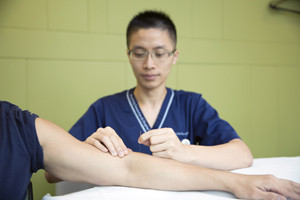
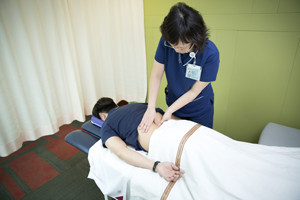
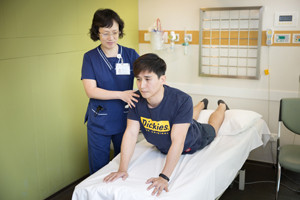
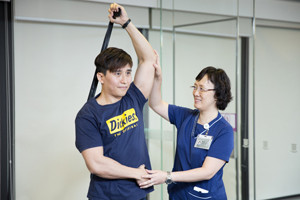
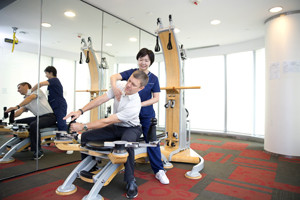
Physiotherapy can help patients with low back pain or neck pain with or without radicular symptoms. The aim of the physiotherapy plan developed for you is to provide faster symptomatic relief leading to less chronic disability.
Recommend structured exercise programmes tailor-made to the physical condition of patients
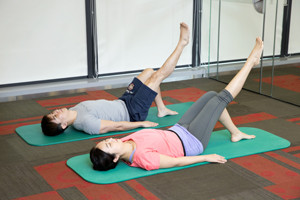
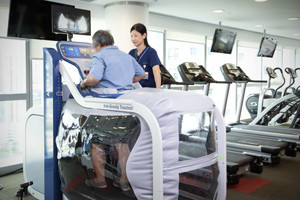
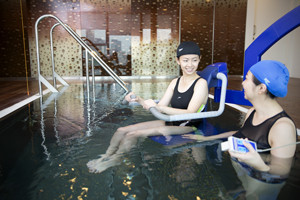
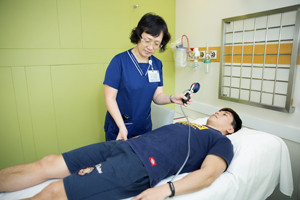
- Provide advice and information to promote self-management of patients’ low back pain
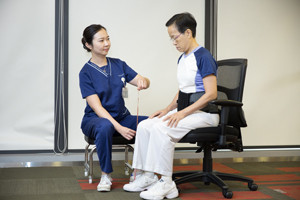
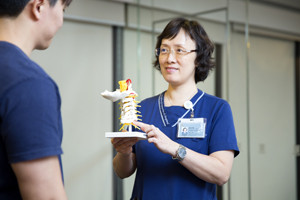
- Help in providing adequate symptomatic relief
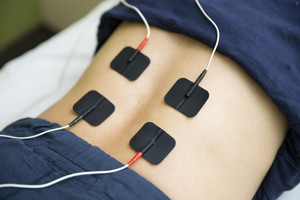
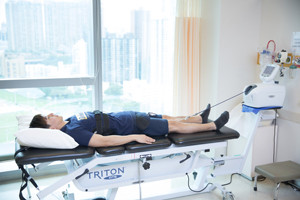

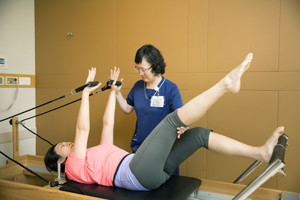
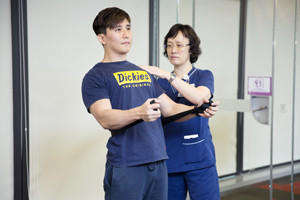
- Recommend therapeutic exercises

Chronic Low Back Pain
Low back pain (LBP) is a prevalent health issue, affecting over 500 million people worldwide at any given time. It is the leading cause of years lived with disability. While most individuals recover from an acute episode of LBP within 12 weeks, around 10-20% continue to experience chronic and persistent LBP beyond this period.
Research indicates that LBP persisting for several months or years is often linked to psychological aspects, including depressive symptoms and fear-avoidance beliefs, and social influences such as job dissatisfaction. Multidisciplinary biopsychosocial rehabilitation (MBR) is effective in addressing the various factors contributing to chronic LBP by integrating active physical therapy, psychological support and pain education. This involves a diverse team of healthcare professionals. Evidence of moderate quality suggests that a multidisciplinary approach leads to greater improvements in pain and daily functioning compared to standard care or treatments focused solely on physical issues. Additionally, there is moderate evidence that these comprehensive treatments double the likelihood of individuals being able to return to work within six to twelve months compared to those receiving only physical-focused interventions.
Our multidisciplinary team comprises a physiatrist, spine surgeon, pain specialist, rheumatologist, physiotherapist and clinical psychologist. Their primary goal is to provide pain relief, restore function and improve quality of life for persons suffering from chronic low back pain .

Prevention of Back and Neck Pain
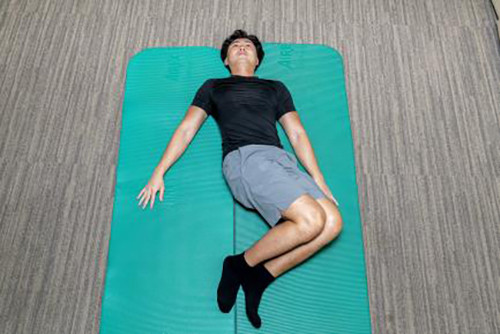
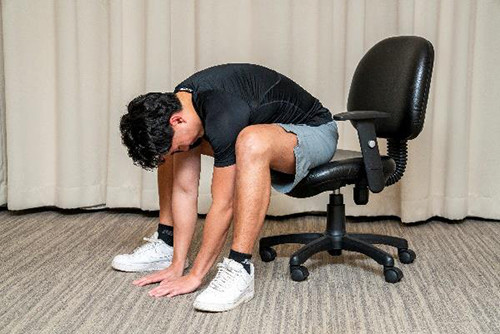
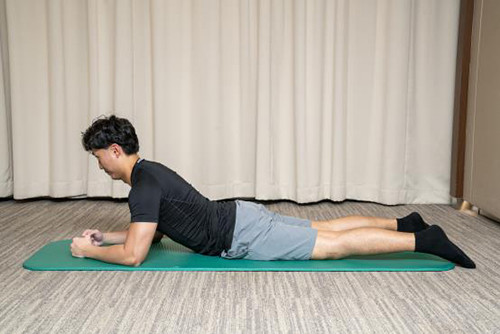
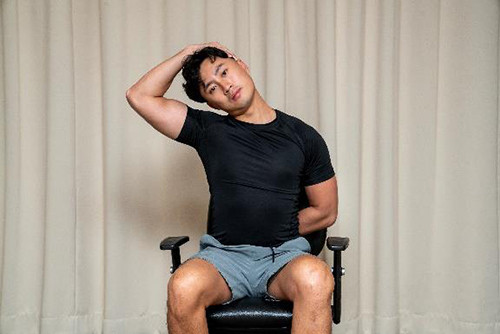
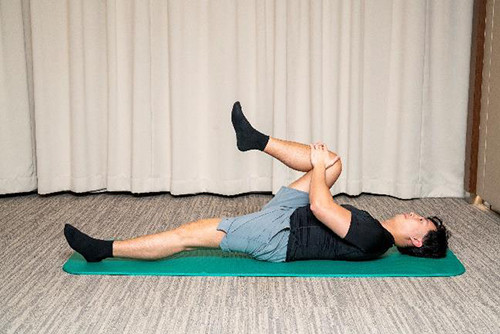
Stretching can improve flexibility and help to relax tense muscles in the back and neck. Stretching also increases blood flow to the muscle, which improves circulation and removes metabolic waste that contributes to muscle soreness and stiffness. Many stretching exercises engage the core muscles that play a critical role in supporting the spine, thereby reducing the risk of back and neck injury. Stretching can also promote good posture and reduce risk of degenerative changes.
During a stretching exercise, stretch in a smooth movement without bouncing. Breathe normally and hold each stretch for about 15 seconds. Expect to feel tension, not pain, while stretching. If it hurts, you are pushing too far – back off to the point where you don’t feel any pain, then hold the stretch. If you have any concerns, seek the advice of your doctor or physiotherapist.
Back stretching exercises 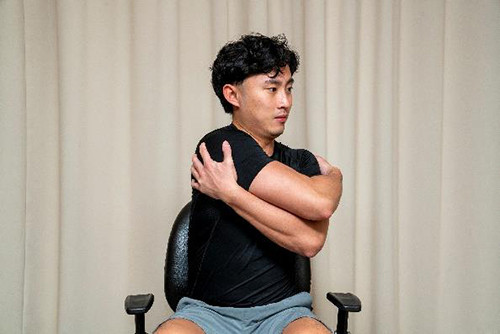
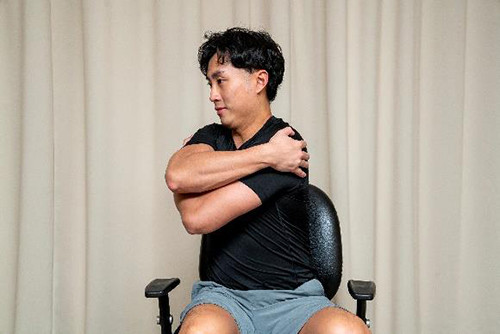
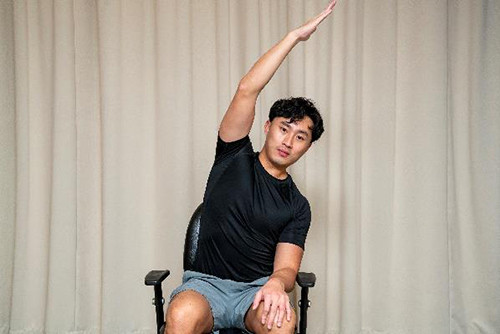
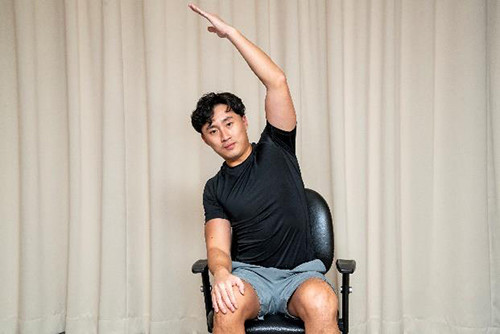
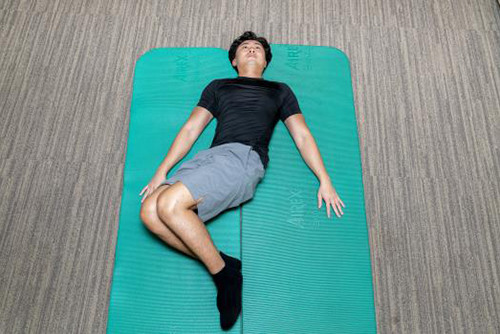
Shoulder and neck stretching exercise
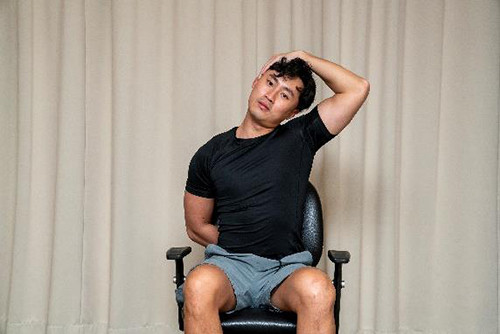
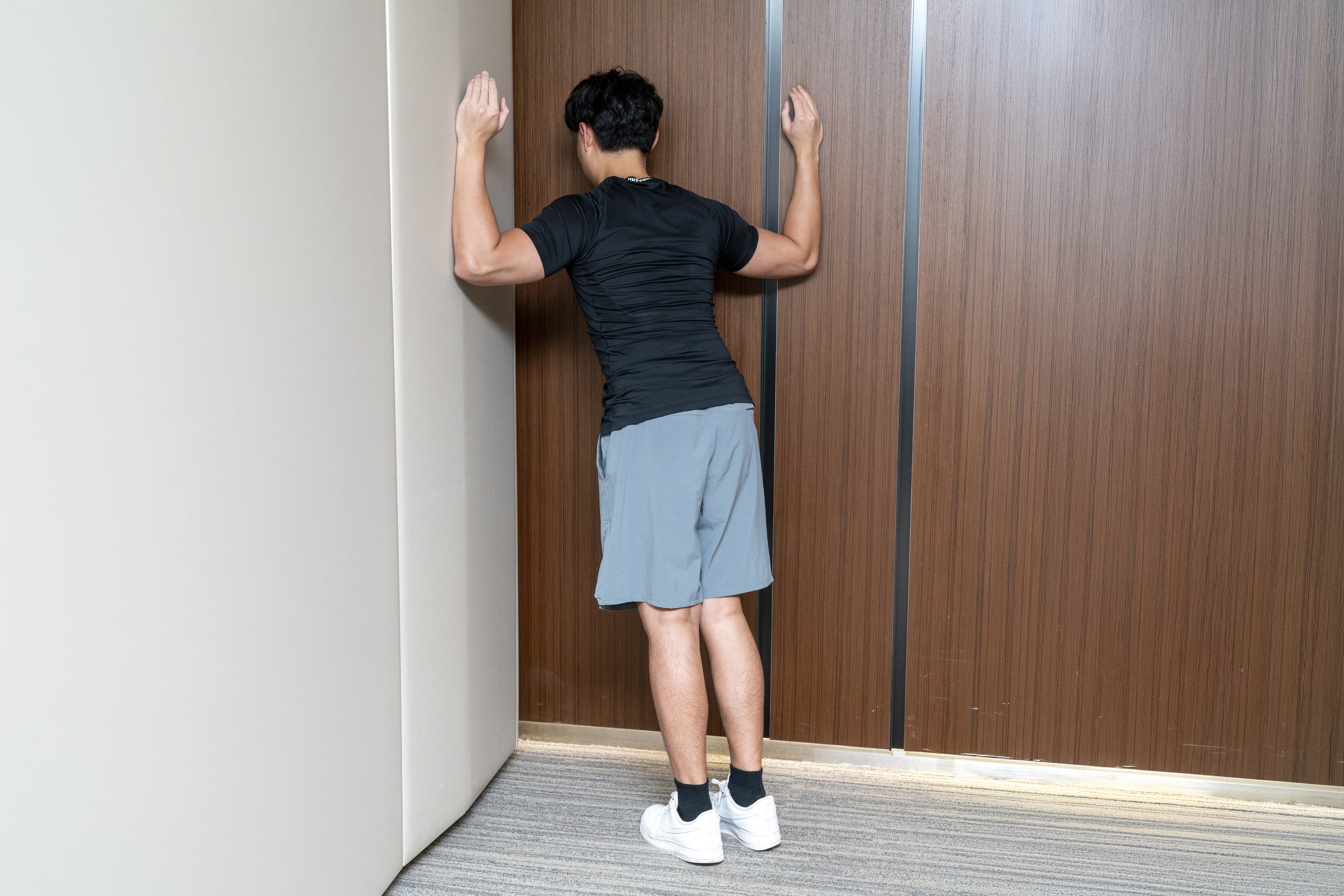



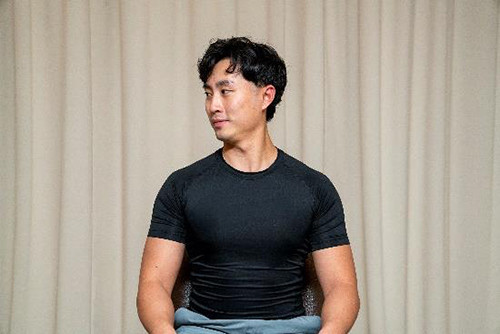
Weakness and atrophy of abdominal muscles and back extensors are associated with chronic low back pain. We suggest taking up a motor control exercise programme to improve the health of your back and neck. In the table below are some exercise examples:*
Exercises for Back and Neck Stabilisers
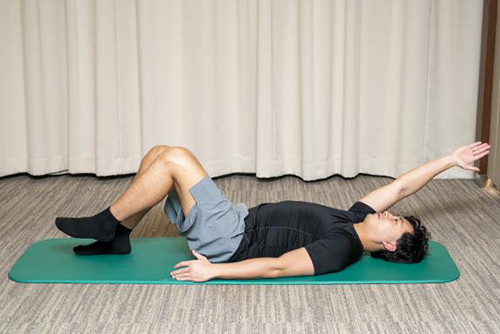
Abdominal bracing with heel raise (with or without arm raise)
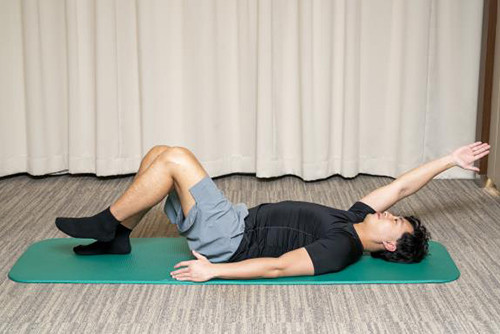
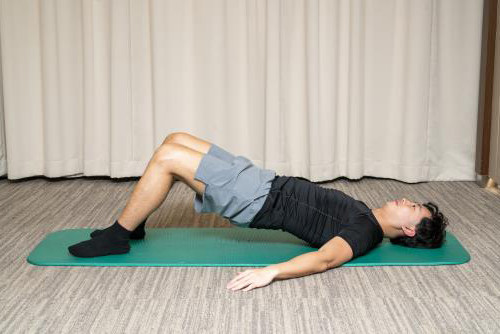
Abdominal bracing with bridges
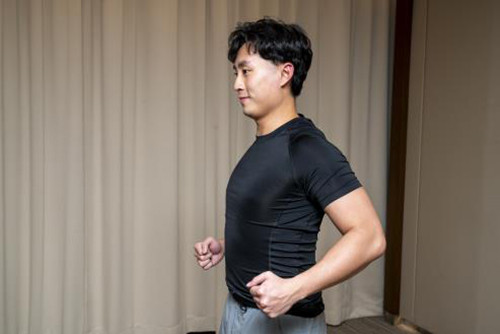
Abdominal bracing with standing row exercise
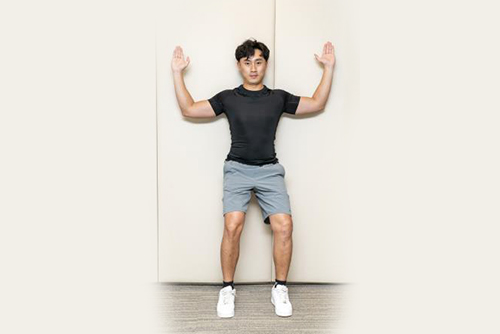
Wall angel
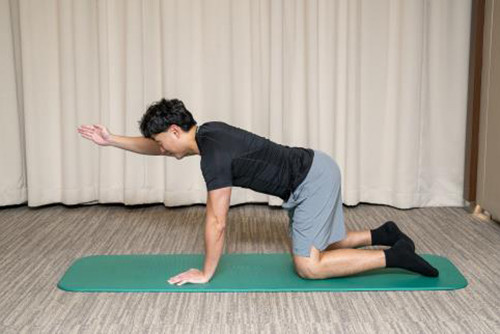
Quadruped arm lifts
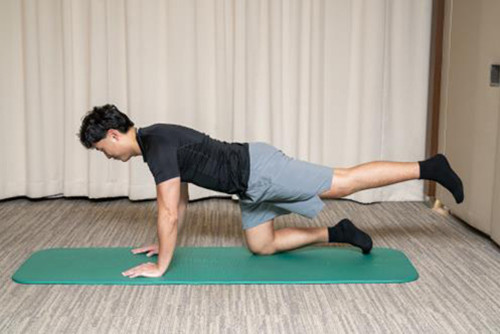
Quadruped leg lifts
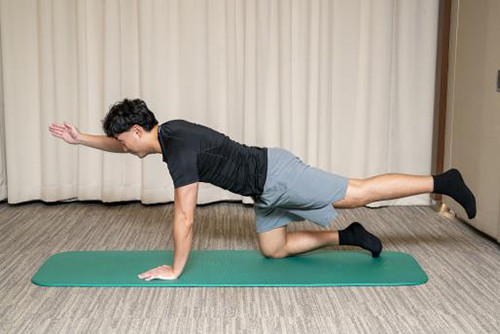
Quadruped alternate arms and legs lift
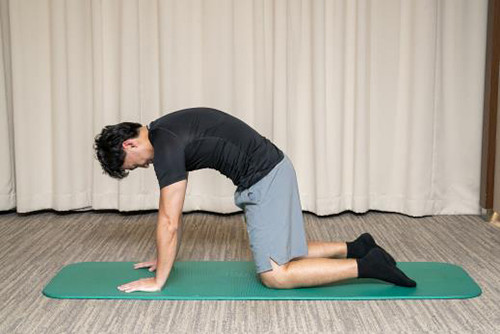
Cat stretch
*Please consult your physiotherapist for selection and supervision of the proper exercises to achieve best outcomes.
Back and neck pain and injuries can be prevented with proper lifting techniques and good posture when using Display Screen Equipment.
References
- European Scientific Journal: Non-specific neck pain and evidence-based practice 2013
- Cochrane Back Review Group: Full guideline of low back pain 2009
- European guidelines for the management of acute non-specific low back pain 2006
- Clinical Practice Guidelines Linked to the International Classification of Functioning, Disability and Health From the Academy of Orthopaedic Physical Therapy of the American Physical Therapy Association. Interventions for the Management of Acute and Chronic Low Back Pain. J Orthop Sports Phys Ther. 2021;51(11):CPG1-CPG60.
- Clinical Practice Guidelines Linked to the International Classification of Functioning, Disability and Health From the Academy of Orthopaedic Physical Therapy of the American Physical Therapy Association. Neck pain: revision 2017. J Orthop Sports Phys Ther. 2017; 47 (7)
- Low back pain and sciatica in over 16s: assessment and management. Assessment and non-invasive treatments. NICE guideline NG 59. Method, evidence and recommendations. Nov 2016
- Clinical Practice Guidelines Linked to the International Classification of Functioning, Disability and Health From the Academy of Orthopaedic Physical Therapy of the American Physical Therapy Association. Interventions for the Management of Acute and Chronic Low Back Pain. J Orthop Sports Phys Ther. 2021;51(11):CPG1-CPG60.
- Clinical Practice Guidelines Linked to the International Classification of Functioning, Disability and Health From the Academy of Orthopaedic Physical Therapy of the American Physical Therapy Association. Neck pain: revision 2017. J Orthop Sports Phys Ther. 2017; 47 (7)
- Low back pain and sciatica in over 16s: assessment and management. Assessment and non-invasive treatments. NICE guideline NG 59. Method, evidence and recommendations. Nov 2016