



Structural Heart Interventions

Structural heart diseases are conditions that affect the heart muscle, walls, chambers or valves. They may be present at birth or develop over time. Structural heart interventions are performed to improve the heart’s functions, e.g. by opening narrowed heart vessels, repairing holes in the heart or replacing damaged valves. Instead of conventional open heart surgery, a minimally invasive approach called transcatheter structural heart intervention is now commonly adopted.
The most common structural heart intervention procedures performed by the CCIC include the following:

Transcatheter Aortic Valve Implantation (TAVI)
Transcatheter Aortic Valve Implantation (TAVI) is a minimally invasive procedure that involves insertion of a new valve without removing the old, damaged one. In TAVI, a new valve is placed inside the diseased one. A fully collapsible replacement valve is delivered to the valve site through a catheter. Once expanded, the new replacement valve will push the old valve leaflets out of the way and take over blood flow regulation with its tissue. TAVI is suitable for patients with symptomatic severe aortic stenosis and may be similar to a coronary angiogram in terms of recovery period. It also involves shorter hospital stay than surgical valve replacement. Patients with symptomatic severe aortic regurgitation can also consider TAVI with dedicated devices.

Transcatheter Implantation of Left Atrial Appendage Occluder (LAAO)
Atrial fibrillation is the most common type of cardiac arrhythmia, and can possibly lead to severe complications such as ischaemic stroke, even death. While effective at preventing ischaemic stroke, the long-term use of oral anticoagulants as the standard treatment may increase the risk of severe bleeding in some patients.
As a minimally invasive procedure, Transcatheter Implantation of Left Atrial Appendage Occluder (LAAO) offers an alternative treatment option for patients deemed not suitable for long-term use of anticoagulants after doctor’s assessment. Under local anaesthesia and 4D intra-cardiac echocardiography guidance, an occlusion device is placed inside the orifice of the left atrial appendage via a catheter to prevent blood clots from entering the bloodstream.
AF patients may consider LAAO if they have the following condition(s):
- Poor anticoagulation therapy compliance
- Intolerable side effects to anticoagulation therapy
- Chronic thrombocytopenia
- A prior history of severe bleeding, i.e. intracranial haemorrhage, major gastrointestinal bleeding
- A high risk of falling or a history of prior falls that resulted in injury
- A high risk of bleeding from anticoagulation therapy

Transcatheter Closure of Atrial Septal Defect (ASD)/Patent Foramen Ovale (PFO)
Atrial septal defect (ASD) refers to a birth defect that causes a hole in the septum dividing the upper chambers of the heart. As a congenital heart disease, ASD is two times more common in women and may go unnoticed for decades. Surgery might be required if the hole fails to close on its own, increasing blood flow through the lungs and finally causes damage to the pulmonary blood vessels. It may also contribute to high blood pressure in the lungs and heart failure during adulthood.
A patent foramen ovale (PFO) is a small, flap like opening in the wall between the upper chambers of the heart. It normally closes after birth, and may require surgery if it does not. Generally, an ASD hole is larger than a PFO. Transcatheter closure of ASD or PFO can be performed by placing an occluder under general anaesthesia with transoesophageal echocardiography guidance or under local anaesthesia with 4D intra-cardiac echocardiography guidance.
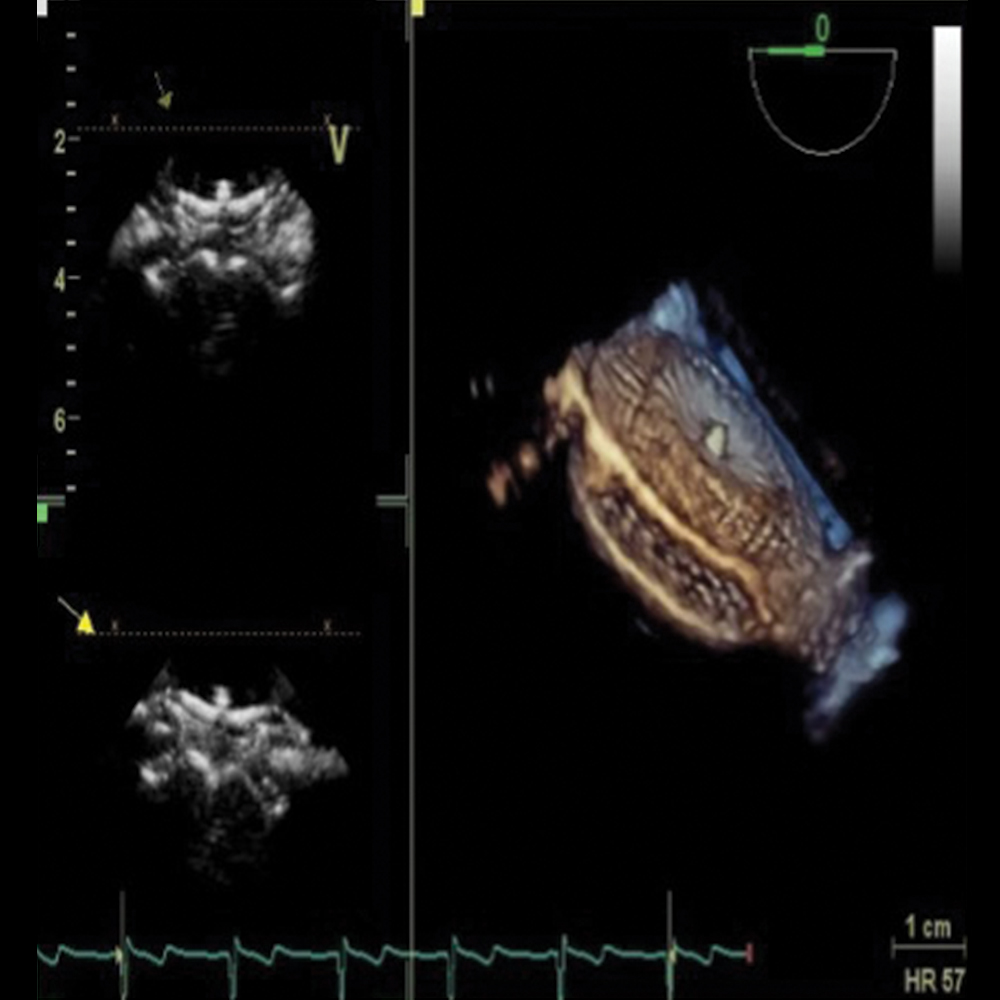
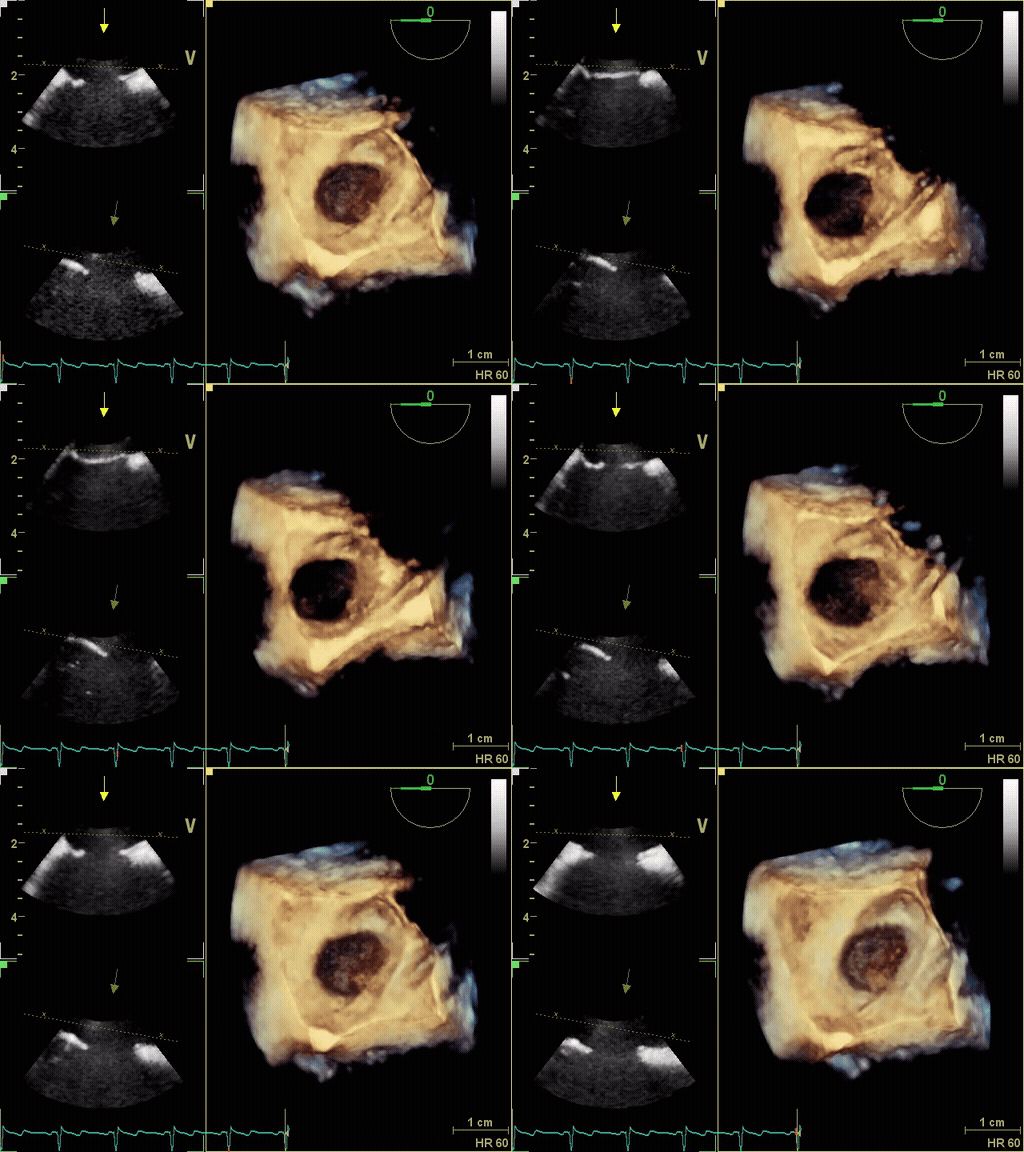
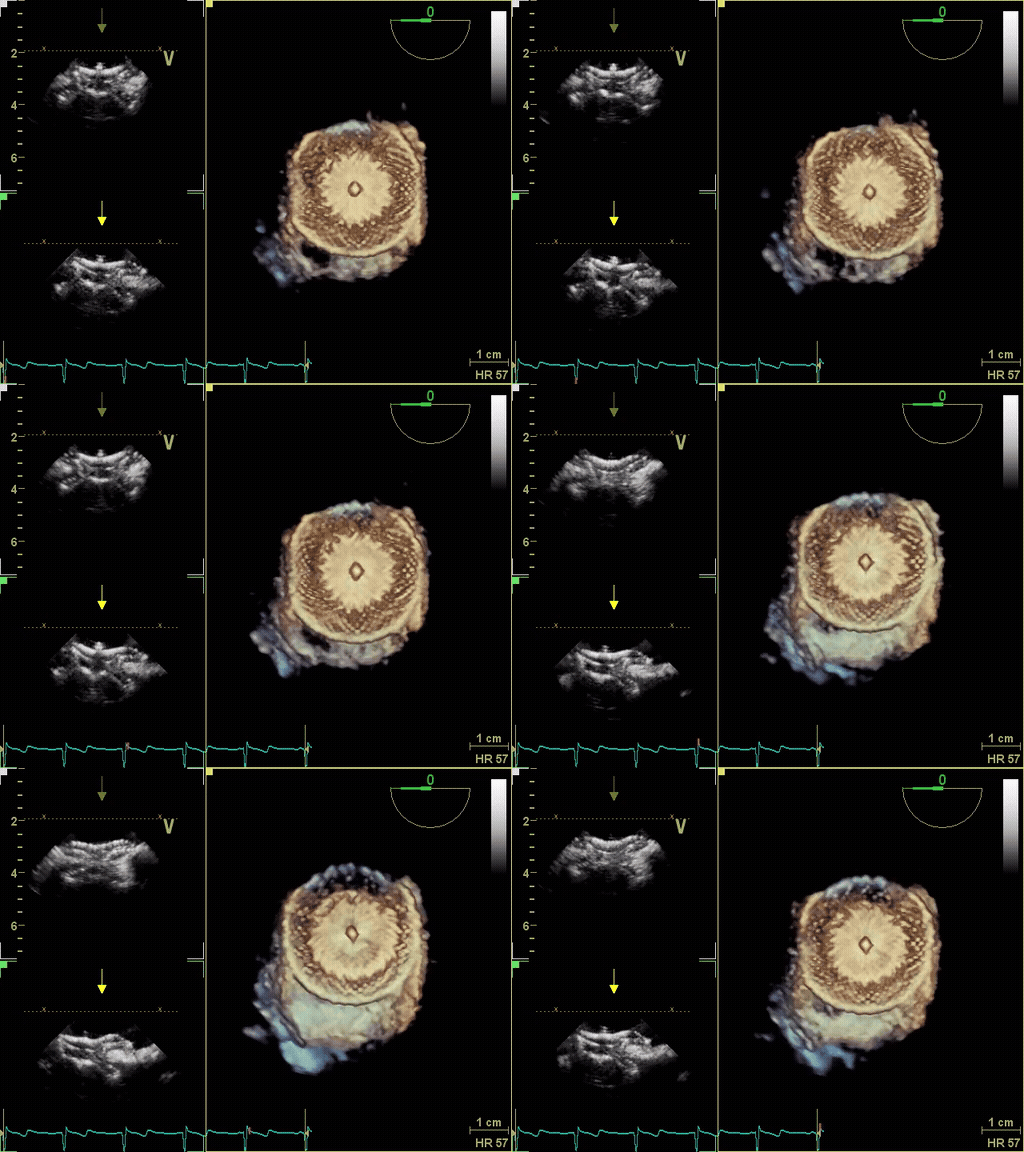
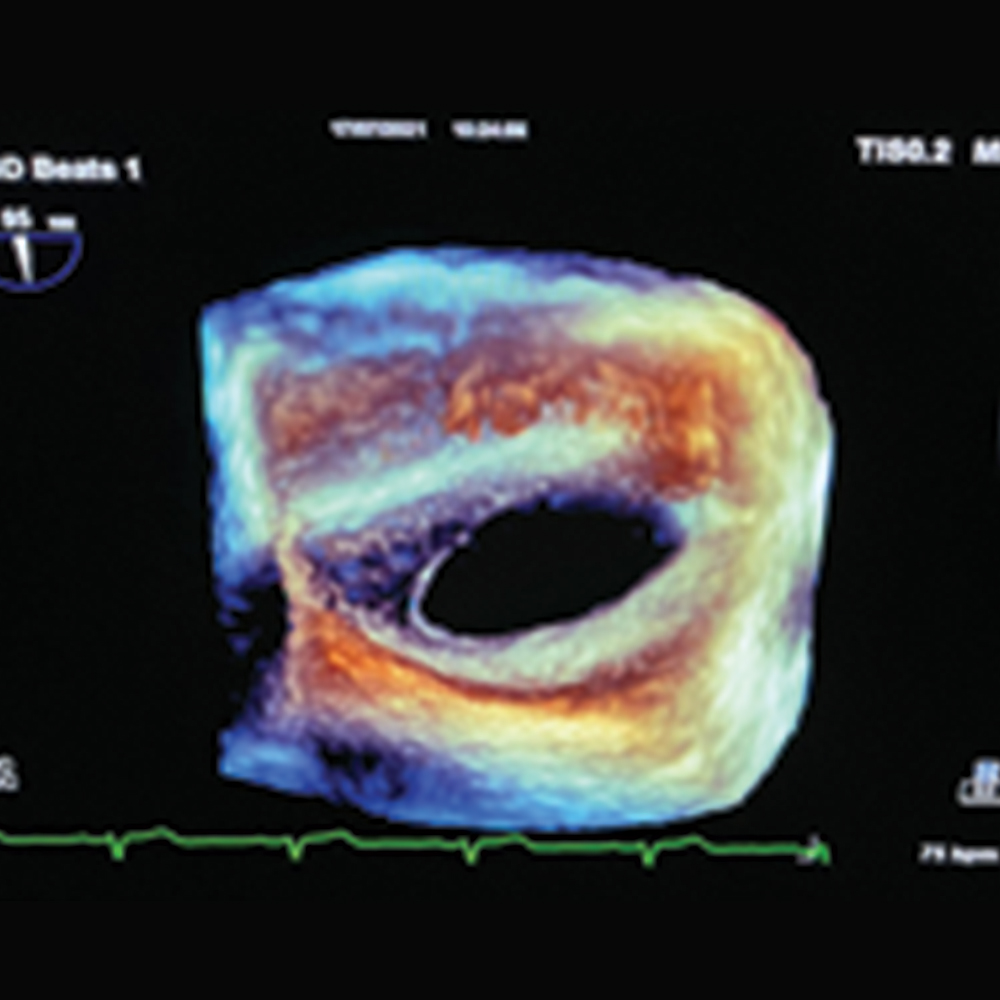
Transoesophageal Echocardiography Images
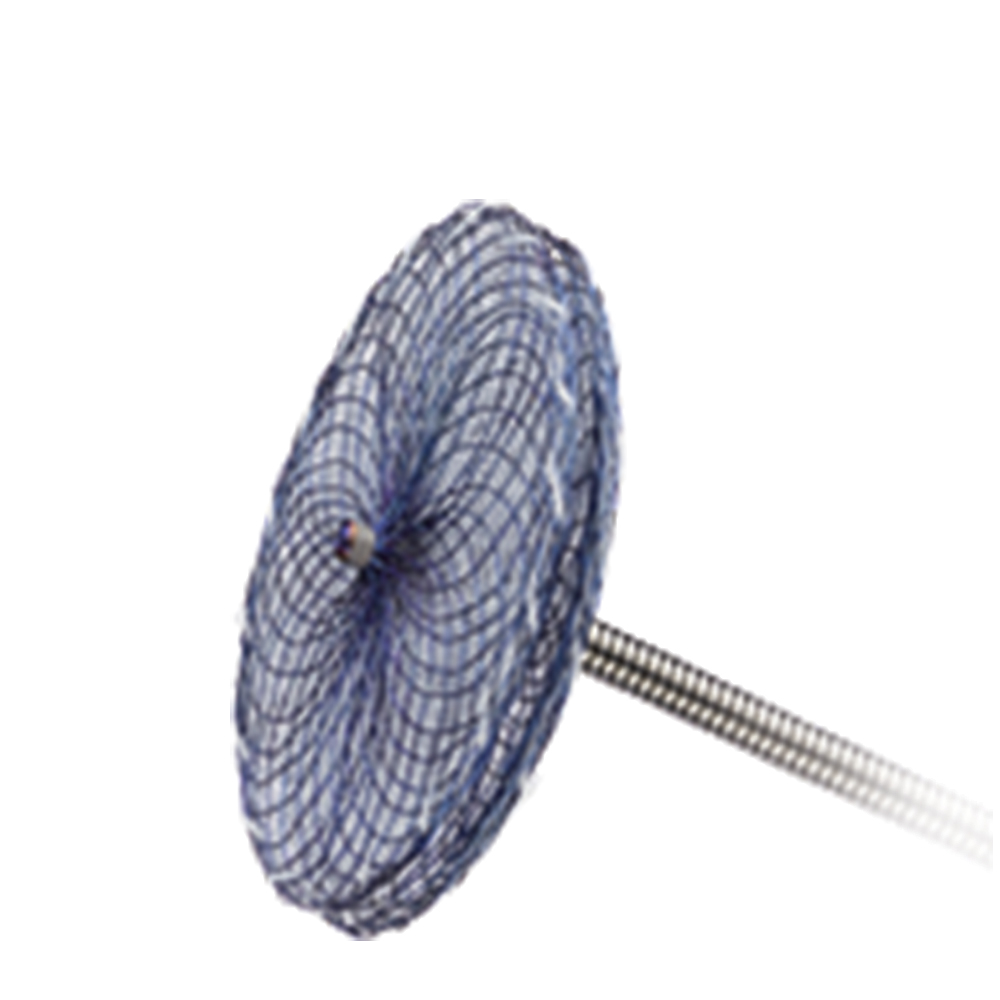
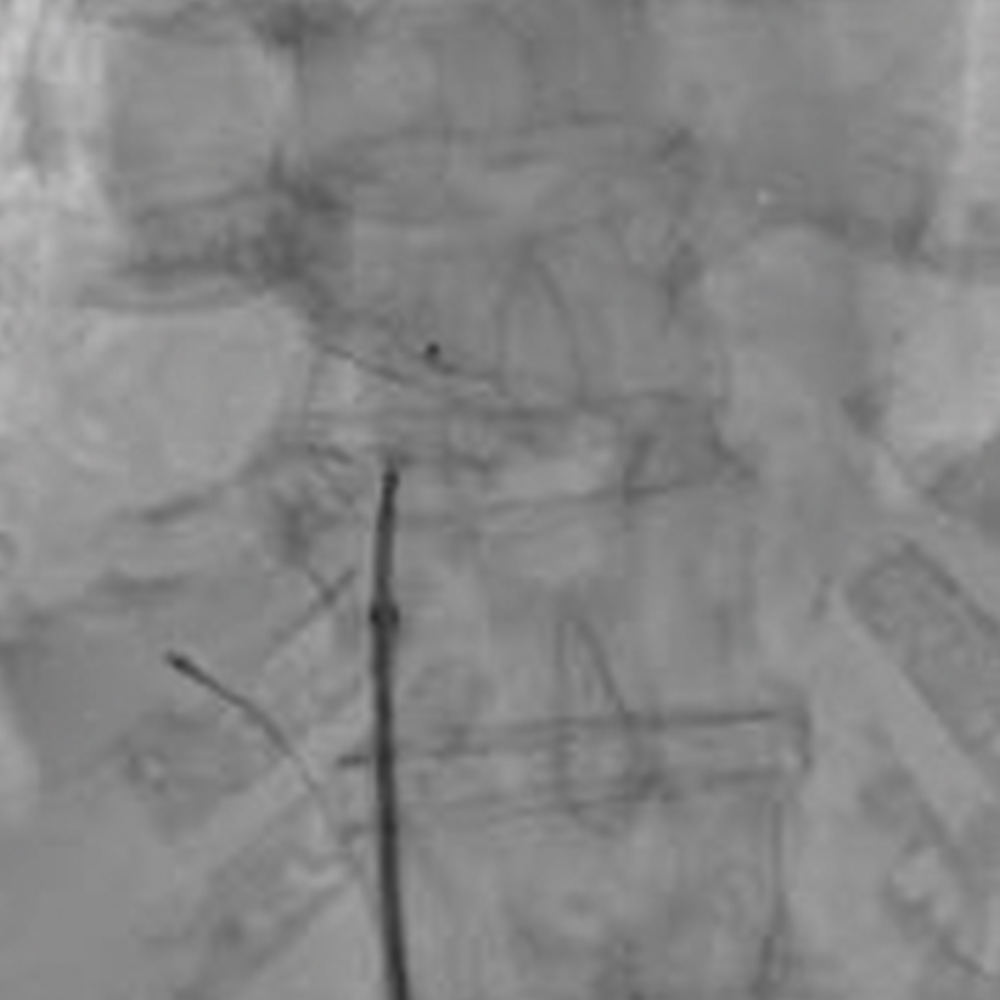
Occluder

Transcatheter Mitral/Tricuspid Valve Repair Intervention with Transcatheter Edge-to-edge Repair (TEER) Device
The mitral / tricuspid valve separates the atrium from the ventricle. The valves open to let blood flow into the ventricle, and close to stop blood from flowing backwards to the atrium. Regurgitation occurs when a valve fails to close fully and blood leaks back across the valve into the atrium. If the leakage is severe, there will be inadequate blood flow through the heart or to the rest of the body. The ventricle is thus under stress and the heart chambers may enlarge, leading to heart failure. Patients may experience fatigue, arrhythmia, shortness of breath, palpitations, swollen feet or ankles when heart failure develops.
MitraClipTM/TriClipTM is one of the TEER devices used to repair a leaking valve and relieve symptoms of regurgitation and heart failure. During the procedure, a catheter is guided through the femoral vein to reach the heart and access the valve in question. The leaflets of the valve are held by the Clip, with with orifices (holes) on either side to allow blood flow into the ventricle. The procedure is carried out under general anaesthesia. It involves no open heart surgery or cutting the breastbone, causing only a small cut in the groin. It is suitable for patients at high risk of complications of open-heart surgery.

Tricuspid Regurgitation Treatment: Transcatheter Tricuspid Heterotopic Valve Replacement
TricValve® is a new treatment option for severe tricuspid regurgitation. In cases of severe dilated tricuspid annulus, poor leaflet coaptation and prior implantation of pacemaker leads, TricValve can also be an option. The device consists of two valves, one being deployed in superior vena cava (SVC) and the other in inferior vena cava (IVC) without touching the native tricuspid valve. The procedure can prevent blood backflow into SVC and IVC as well as reduce right heart congestion, thereby relieving symptoms caused by severe tricuspid regurgitation.


Happy Valley
- Address:
- 15/F, Li Shu Pui Block,
Hong Kong Sanatorium & Hospital,
2 Village Road, Happy Valley, Hong Kong
- Service hours:
-
Consultation by Appointment
- Tel.:
- (852) 2835 8910
- Email:
- [javascript protected email address]
- Fax:
- (852) 2892 7519
- WhatsApp:
-
(852) 2835 8910
(For non-emergency cases)